Polished Aggregate Pool Finish: Is It the Right Upgrade for Your Backyard?
A pool finish does more than hold water. It shapes the look of the entire yard, affects how the water reflects light, determines how the surface feels underfoot, and influences what you will spend on upkeep over the next decade. Homeowners often start by asking about color or durability, but the better first question is simpler: how do you want the pool to live in your space every day?
That is where polished aggregate enters the conversation. It sits in an interesting middle ground. It is more refined and visually layered than traditional white plaster, often called marcite in Florida, yet usually smoother and more understated than some exposed pebble finishes. For many backyards, that balance is the appeal. It can look upscale without feeling flashy, and it can offer stronger wear characteristics than basic plaster when installed and maintained properly.
Still, it is not the right answer for every pool. I have seen polished aggregate look stunning in a modern courtyard pool and feel like an awkward overspend in a modest, heavily shaded yard where the owner mainly wanted a clean, economical refresh. I have also seen homeowners regret choosing solely by showroom samples, only to realize later that their waterline tile, coping color, and tree cover changed the finish’s appearance completely.
If you are weighing pool resurfacing near me searches and comparing options such as marcite, quartz, pebble, and polished aggregate, it helps to understand where this finish excels, where it asks more of the budget, and what sort of ownership experience it creates.
What polished aggregate actually is
A polished aggregate pool finish is a cement-based interior finish blended with carefully selected aggregate, often quartz, swimming pool contractor orlando fl classicmarcite.com marble, or other premium materials, then mechanically polished after application. That polishing process is what separates it from standard exposed aggregate systems. Instead of leaving the aggregate more textured and open at the surface, the installer refines the finish to create a smoother, denser feel with a softer sheen.
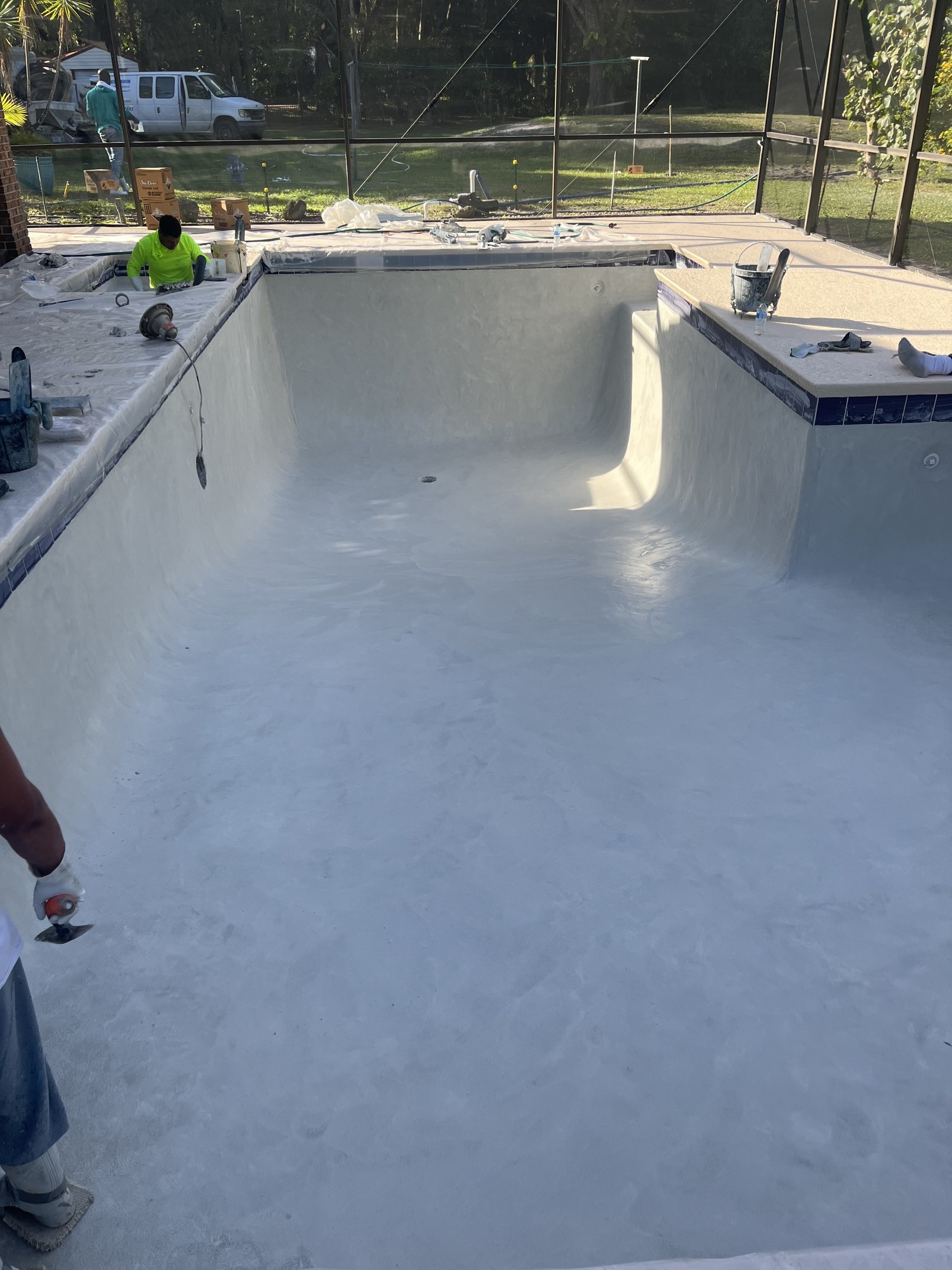
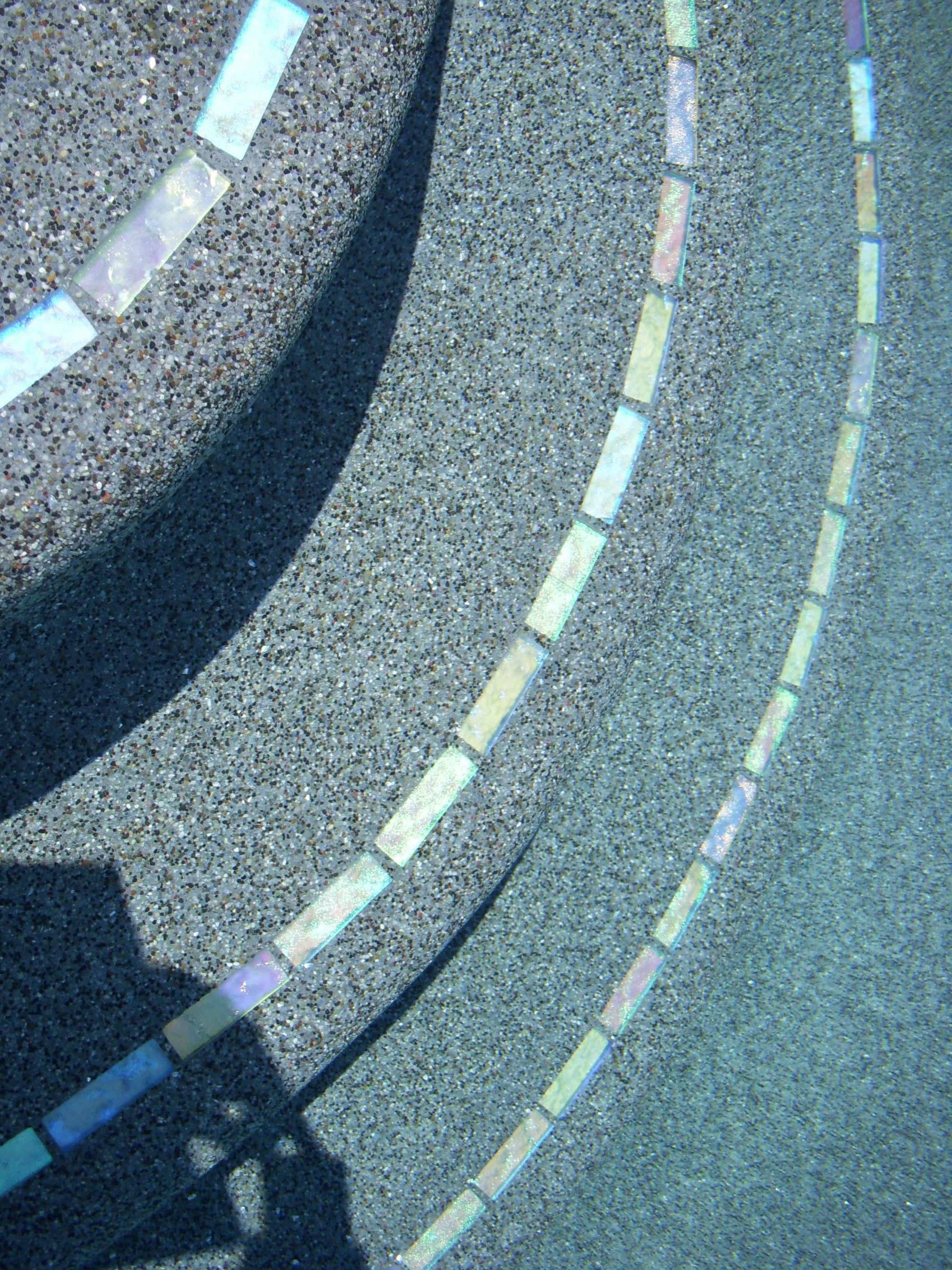
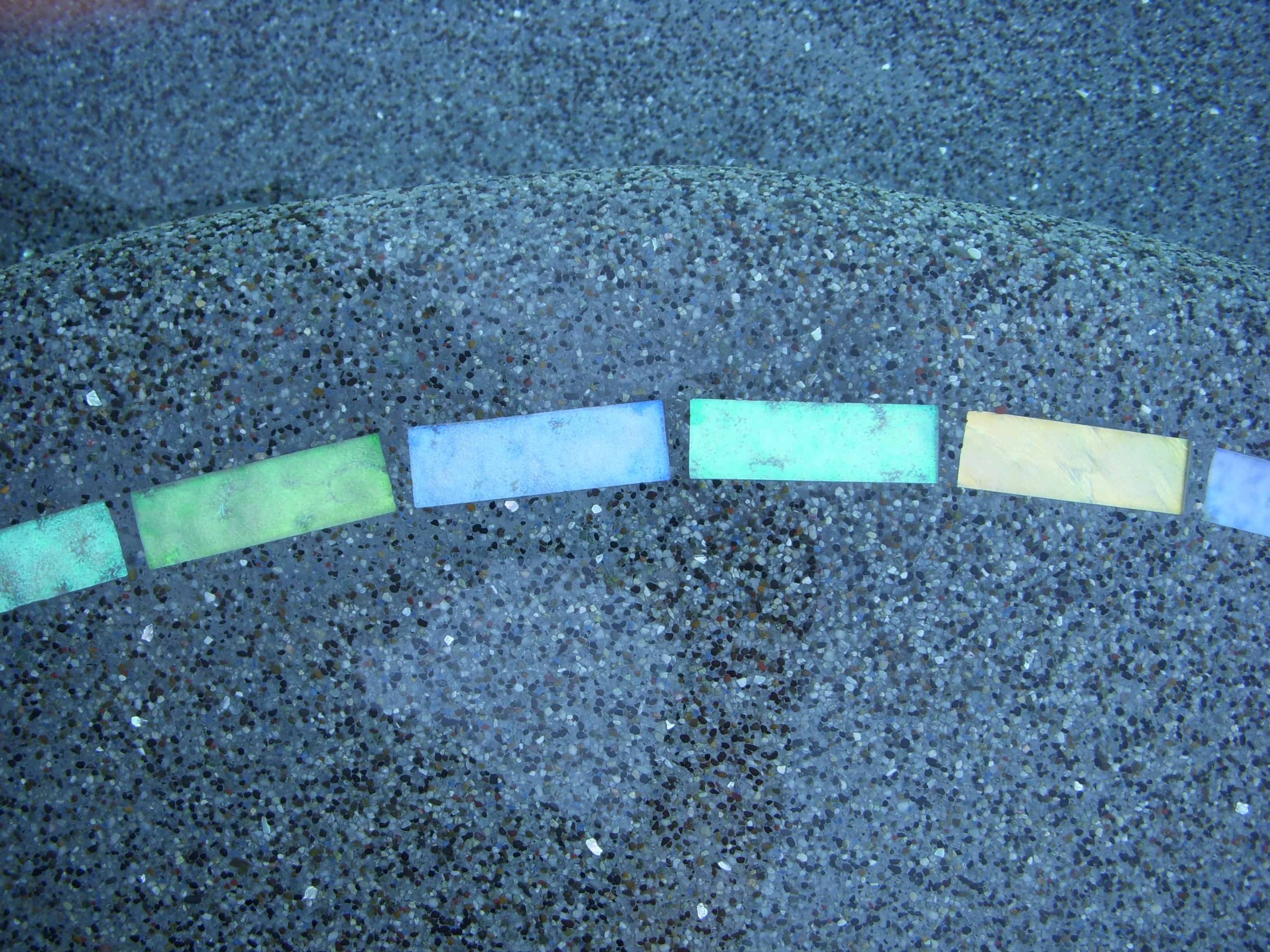
The result is usually a surface that has more visual depth than plain plaster. Under sunlight, polished aggregate tends to produce a subtle sparkle and a richer water tone. Depending on the mix, water can read pale blue, medium blue, blue-green, or even a deeper lagoon shade. The effect is elegant rather than loud.
That matters because many homeowners imagine all aggregate finishes as rough. Some are. Exposed pebble finishes can feel noticeably textured, especially on steps, benches, and tanning ledges where bare skin and feet stay in contact with the surface. A polished aggregate finish is typically gentler to the touch. Not identical to smooth plaster, but often closer to it than people expect.
For someone comparing pool plastering Orlando contractors or discussing options with a pool replastering Orlando company, that texture difference is one of the most useful points to clarify early.
Why people move beyond standard plaster
Traditional plaster remains common because it is familiar, clean-looking, and usually the most affordable resurfacing route. In Central Florida, you will hear many contractors refer to it as marcite. If you search marcite pool resurfacing Orlando, you will find plenty of companies that still install it regularly, and there is a reason for that. A well-applied marcite finish can look bright and classic.
The weakness is longevity and sensitivity. Basic plaster is more prone to mottling, etching, and visible wear over time, especially if water chemistry drifts or the pool receives inconsistent care. In a region like Orlando, where pools are used for a large part of the year and weather conditions can be demanding, owners often start thinking beyond the lowest upfront cost.
Polished aggregate appeals to those homeowners because it can offer a more resilient wearing surface while delivering a more custom appearance. It is not indestructible, and it does not remove the need for proper water balance, but it often gives the owner a finish that feels more substantial and more design-conscious than standard plaster.
That does not mean polished aggregate is automatically better. It means the trade-off between upfront cost and long-term satisfaction often shifts in its favor for people who care about aesthetics, resale appeal, and maintenance stability.
The visual payoff in a real backyard
Showroom samples are useful, but they rarely tell the whole truth. A three-inch square piece of polished aggregate under indoor lighting cannot replicate a full pool under open sky at 3 p.m., or at dusk with landscape lights on, or in the softer light pool resurfacing orlando of an overcast afternoon.
In practice, polished aggregate tends to reward the details around it. Crisp coping, coordinated tile, and thoughtful decking make the finish look intentional. If the surrounding hardscape is tired or mismatched, the finish alone will not save the space.
One backyard in particular comes to mind: a geometric pool with ivory travertine coping, charcoal pavers, and a simple raised spa. The owners originally planned a white plaster finish because they wanted the water to look light blue. After reviewing larger samples outdoors, they chose a light silver-blue polished aggregate instead. The difference was immediate. The water still read bright and inviting, but it gained more depth and movement. The pool no longer looked merely clean. It looked finished.
That distinction matters when the pool is a focal point from inside the house. Through sliding glass doors, the interior finish becomes part of the home’s visual field every day. A better finish can change the way the entire property feels.
Texture, comfort, and daily use
Comfort is where polished aggregate often wins people over.
Parents with young children tend to ask one question quickly: will it scrape knees and feet? The honest answer is that any cementitious pool finish can vary depending on the product line, the installer’s skill, the polishing process, and how the surface ages. Still, polished aggregate is generally chosen by owners who want more refinement underfoot than a traditional exposed pebble finish may offer.
This is especially relevant on shallow sunshelves, entry steps, and swim-out benches. Those are the places where texture matters most because people linger there. In deeper water, surface feel matters less. On a tanning ledge where children sit, play, and climb in and out, it matters a great deal.
Anyone considering pebble tec pool finish Orlando options or broader pebble tec pool resurfacing systems should compare not only color and durability but also how the finish feels on those high-contact surfaces. A finish that looks dramatic in a brochure may not be the one you enjoy most on a hot Saturday in July.
Durability, with a necessary dose of realism
Pool owners often hear broad claims about one finish lasting twice as long as another. Those statements are too neat for real life. Durability depends on several variables: the shell condition, startup practices, water chemistry, climate, circulation, cleaning methods, bather load, and whether the pool has salt chlorination.
That said, polished aggregate finishes are generally viewed as an upgrade in durability over standard plaster. The aggregate adds body and wear resistance, and the polished surface can present a denser, more finished face when properly installed. In many cases, homeowners can expect a longer service life than with basic plaster, though exact timelines vary and should be discussed with a contractor who has seen your pool and local conditions firsthand.
I would be cautious of any company that promises a fixed lifespan as though every pool lives under laboratory conditions. A heavily used pool in full sun, maintained with poor chemistry discipline, may age faster than a lightly used screened pool with excellent water care. The finish category matters, but stewardship matters too.
In Orlando and surrounding areas, where heat, rain, and year-round pool use shape the maintenance cycle, a finish that tolerates normal wear a bit better can be worth paying for. That is one reason homeowners searching pool resurfacing Orlando or pool resurfacing Orlando FL often end up comparing aggregate systems seriously rather than defaulting to marcite.
Maintenance is not dramatically harder, but it is not effortless either
Some homeowners assume that once they upgrade the finish, maintenance becomes almost irrelevant. That is a mistake. A polished aggregate pool still needs balanced water, regular brushing in the early curing period, and attention to calcium scaling, especially in hard-water conditions or where evaporation is high.
The good news is that the ownership experience is usually straightforward if the pool is already being cared for properly. In fact, many owners feel a premium finish encourages better habits simply because they want to preserve the look they paid for.
Where people run into trouble is neglect at the edges. Water chemistry that drifts repeatedly into corrosive or scale-forming ranges can shorten the life of any finish. Salt systems can be perfectly compatible, but they do not excuse lax testing. Automatic cleaners, vacuums, and brushing techniques should also be reviewed so the surface is protected rather than abused.
A polished aggregate finish often hides minor mottling and subtle visual variation more gracefully than plain white plaster. That can be a practical advantage. It does not mean staining cannot occur. Leaves, metals, and poor chemistry can still leave marks. It simply means the finish often ages with a bit more visual forgiveness.
Cost, and whether the premium is justified
The price gap between standard plaster and polished aggregate can be meaningful. For many homeowners, this is the deciding factor.
Resurfacing costs vary by region, pool size, prep requirements, material line, tile replacement, coping work, and whether additional repairs are needed. A straightforward resurfacing project is very different from a job involving bond beam repair, raised spa detailing, or extensive tile demolition. That is why broad internet numbers can mislead more than they help.
What matters is understanding where the money goes. With polished aggregate, you are paying for upgraded material, a more specialized finish system, and often a more demanding installation process. If your pool is central to your outdoor living space, used frequently, and expected to support home value or aesthetics for years, that premium can be justified.
If, however, you are preparing a property for sale and simply need a clean, presentable surface without aiming for a high-end visual effect, basic plaster may be the more rational choice. Not every pool needs the same level of finish.
A good contractor should be able to explain the difference in practical terms rather than simply pushing the highest-ticket option.
When polished aggregate makes the most sense
Certain situations tend to favor this upgrade. You will notice that these are not only about wealth or taste. They are about fit.
- You want a finish that feels more upscale than marcite but smoother than many exposed pebble systems.
- The pool is visually prominent from the house, and appearance matters every day, not only during swim season.
- You expect to stay in the home long enough to appreciate the added value of a premium surface.
- You are already investing in updated tile, coping, decking, or lighting, and the finish should match that level of improvement.
- You are dissatisfied with the flat, chalky, or dated look that basic plaster can develop as it ages.
When those conditions are present, polished aggregate often feels like a considered upgrade rather than a luxury indulgence.
Where another finish may be the better call
There are also cases where I would hesitate to recommend it.
If the budget is already stretched by structural repairs, replacing failing skimmer lines, or correcting major deck drainage issues, I would usually fix the fundamentals before spending heavily on the interior finish. A premium surface cannot compensate for poor infrastructure.
Likewise, if the owner strongly prefers the highly textured, natural appearance of exposed pebble, polished aggregate may feel too restrained. Someone exploring pebble tec pool resurfacing options because they love that bolder texture and depth should not choose polished aggregate just because it sounds more refined on paper.
Then there are owners who want the brightest, cleanest, most classic blue-water look at the lowest initial cost. For them, standard plaster or a quartz-based finish may provide a better balance. If you are comparing quartz pool finish Orlando providers, you will often find quartz positioned as a bridge product, more durable and decorative than marcite, but sometimes less expensive than top-tier polished aggregate or premium pebble systems. That can be an excellent compromise.
Installation quality matters at least as much as the product
This is the part many homeowners underestimate. A superb finish product installed poorly will disappoint. A midrange finish installed by a disciplined, experienced crew can outperform expectations.
Resurfacing is not just about troweling on a new coat. The old surface must be evaluated carefully. Hollow spots, cracks, bond issues, and previous patch failures need to be addressed honestly. Surface prep, material mixing, application timing, weather conditions, startup chemistry, and curing practices all affect the final result.
I have seen pools where the finish itself was not the problem. The problem was rushed prep or a careless startup. Streaking, uneven exposure, discoloration, rough spots on steps, and premature wear can often be traced back to process failures rather than the finish category alone.
That is why the search for pool resurfacing near me should not end with whichever company answers the phone first or quotes the lowest number. In markets like pool resurfacing Orlando FL, the contractor’s workmanship, crew consistency, and startup discipline are central to the outcome.
Questions worth asking before you sign
A contractor who does this work well should welcome specific questions. The answers will often tell you more than the brochure.
- How many polished aggregate pools has your crew completed in the last year, and can I see examples that are at least one or two years old?
- What surface preparation do you perform before application, especially if the existing finish has cracks, hollow spots, or patches?
- What startup procedure do you require after plastering, and who is responsible for the first weeks of brushing and chemistry?
- How should I expect the finish color and texture to vary once the pool is filled and cured?
- What warranty is included, and what homeowner maintenance practices could affect that warranty?
These questions tend to separate surface-level sales talk from genuine field experience.
How polished aggregate compares with the usual alternatives
When homeowners compare finishes, the decision often comes down to three families.
Marcite or traditional plaster is the familiar baseline. It gives a clean, classic look and keeps upfront cost lower, but it is usually the least robust in long-term appearance and wear resistance.
Quartz finishes add harder aggregate to the plaster mix. They often provide better durability and more color options than basic plaster while preserving a fairly smooth feel. For many pools, quartz is the practical middle lane. It is not surprising that quartz pool finish Orlando remains a common search among homeowners who want an upgrade but are watching cost carefully.
Pebble finishes occupy the more heavily textured end of the market. They are valued for durability, organic appearance, and dramatic water color. Many owners specifically ask for pebble tec pool finish Orlando because of brand recognition and reputation. The trade-off is texture. Some love it, others do not.
Polished aggregate stands between those worlds. It offers more visual complexity and durability than plain plaster, often smoother comfort than fully exposed pebble, and a more elevated look than many standard quartz mixes. That balance is precisely why it suits so many design-forward backyard renovations.
The Orlando factor
Orlando is its own environment. Pools are not occasional luxuries there. They are active parts of the home for much of the year. Heat, afternoon storms, evaporation, heavy use, and the prevalence of screen enclosures all shape how finishes perform and how they are perceived.
Bright sun can make subtle finish color differences more pronounced. A sample that looked gray indoors may read blue outside. Tree cover can mute sparkle. A screened enclosure can soften reflections and alter water tone. Hardscape temperatures matter too. A finish that looks cool and inviting against pale decking may look darker and more formal against deep-toned pavers.
This is why local experience matters when discussing pool resurfacing Orlando or pool replastering Orlando projects. The contractor should be able to talk not only about finish brands but about how those finishes actually look in Central Florida light, with local water conditions, and in yards like yours.
A measured verdict
Polished aggregate is not the right upgrade because it is fashionable. It is the right upgrade when you want a finish that combines design polish, respectable durability, and a more comfortable surface profile than many textured alternatives. It asks for a larger investment than standard plaster, and that investment only pays off when the installation is careful and the maintenance is competent.
For the homeowner who wants the pool to feel like a true extension of the home, not merely a basin in the yard, polished aggregate often delivers. The water gains depth. The surface feels more intentional. The whole space can read as better resolved.
For the homeowner whose priority is a straightforward refresh at the lowest practical cost, or whose pool needs major structural work first, a simpler finish may be the wiser choice.
That is the real answer to whether it is worth it. Not universally yes, not reflexively no. It depends on how you use the pool, what you notice every day, how long you plan to stay, and whether the backyard deserves a finish that does more than cover concrete.
If those priorities align, polished aggregate can be one of the most satisfying upgrades you make to the property.
Classic Marcite is a swimming pool contractor in Orlando, FL, resurfacing and renovating residential and commercial pools since 1988: marcite plaster, quartz, Pebble Tec and polished aggregate finishes, pool remodeling, pool deck resurfacing, tile and coping replacement, and pool repair.
430 Fairvilla Road, Orlando, FL 32808 · Serving Orlando, Windermere, Dr. Phillips, Winter Park, Maitland, Lake Mary and Heathrow
Phone: (407) 521-6260
Website: classicmarcite.com
Find us on Google Maps